



The significance of luck in gambling A deep dive into chance and strategy
The Role of Luck in Gambling
Luck is often seen as the backbone of gambling; the element that can turn a modest bet into a life-changing win. The randomness of outcomes, particularly in games such as slots, poker, and roulette, demonstrates how chance plays a crucial role. While skill and strategy can enhance a player’s experience and possibly their success rate, it is ultimately luck that determines the outcome in most situations. This unpredictability is what makes gambling so thrilling and alluring. For those interested in new gaming experiences, it’s easy to https://download-plinko.ng/ and dive into this exciting world.
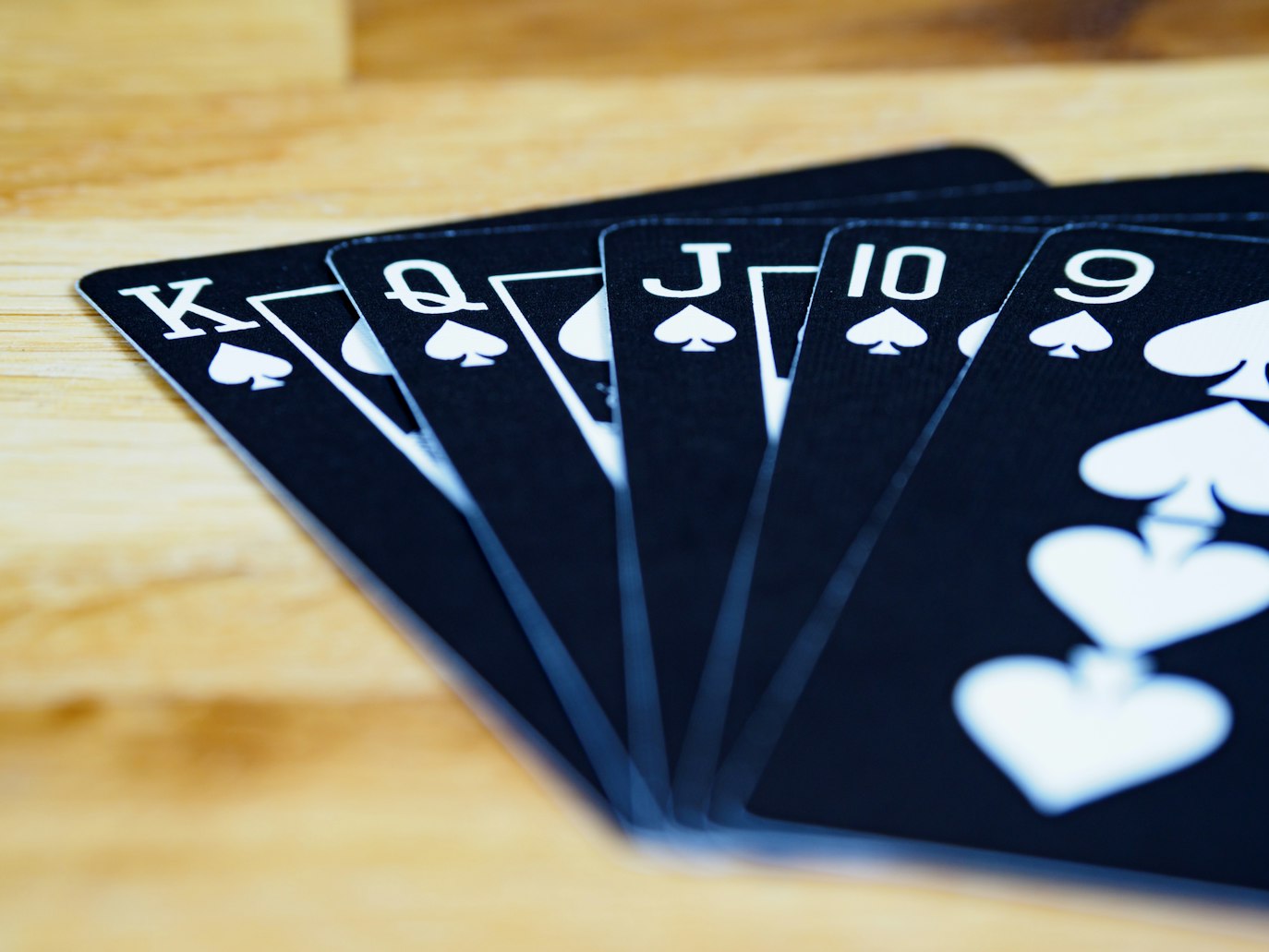
Consider a game of poker, where luck can be defined not only by the cards dealt but also by the actions of opponents. Players may strategize based on their hands, but unforeseen elements like bluffing and unpredictable betting behavior add layers of chance. This interplay between luck and strategy creates a dynamic atmosphere, challenging players to adapt while relying on fortune. The essence of gambling, in many cases, is encapsulated in this blend of fate and skill.
In contrast, some games are purely luck-based. Lottery games, for instance, require no skill or strategy—players simply select numbers and hope for the best. This randomness underscores the concept of luck as a standalone force. As such, recognizing the impact of luck in gambling helps players manage their expectations and understand the limits of their control over the game’s outcome.
Strategy: Balancing Chance with Skill
While luck is a significant factor in gambling, strategy is equally important in maximizing potential wins. Skilled players often employ various strategies tailored to the specific game they are playing. For example, in blackjack, players can use card counting techniques to gain an edge. Here, skill complements luck, allowing players to make informed decisions based on the probabilities of favorable outcomes.
Moreover, game theory plays a vital role in strategic gambling. Understanding the odds and employing tactics based on statistical analysis can lead to more advantageous outcomes. A strategic approach enables players to navigate the uncertainties of luck while making calculated risks. This does not eliminate luck, but it can significantly alter the dynamics of play, enhancing a player’s overall experience and success.
Additionally, responsible gambling strategies, such as setting limits on bets and understanding when to walk away, further emphasize the significance of strategy. Even in games dominated by luck, a well-thought-out plan can prevent losses and enhance enjoyment. Players who prioritize strategy while acknowledging the role of luck are often more satisfied and engaged, creating a balanced gambling experience.
The Psychological Implications of Luck and Strategy
The interplay of luck and strategy in gambling does not only affect outcomes but also influences players’ psychological states. The excitement generated by unpredictable outcomes can lead to feelings of euphoria or disappointment, impacting emotional well-being. Players often associate success with skill and failure with bad luck, which can shape their future gambling behaviors. Understanding these psychological implications is crucial for maintaining a healthy relationship with gambling.
Additionally, the concept of the “gambler’s fallacy,” where individuals believe that past events influence future outcomes, highlights the psychological struggle between luck and strategy. Players may feel compelled to adjust their strategies based on recent wins or losses, leading to emotional decision-making. Recognizing this fallacy can empower players to focus on strategic thinking rather than getting swept away by the whims of luck.
Furthermore, studies indicate that gamblers tend to attribute their success to skill and their failures to luck. This cognitive bias can lead to overconfidence in their abilities. Therefore, educating players about the significant role of luck can promote a more realistic understanding of gambling outcomes. This awareness can not only enhance their experience but also reduce the likelihood of developing problematic gambling behaviors.
The Social Impact of Gambling
Gambling is not just an individual experience; it significantly influences social interactions and relationships. The social implications of gambling can vary widely, from fostering camaraderie among friends during casual games to creating significant rifts in relationships due to problem gambling. The blend of luck and strategy in gambling contexts can shape these social dynamics in various ways.
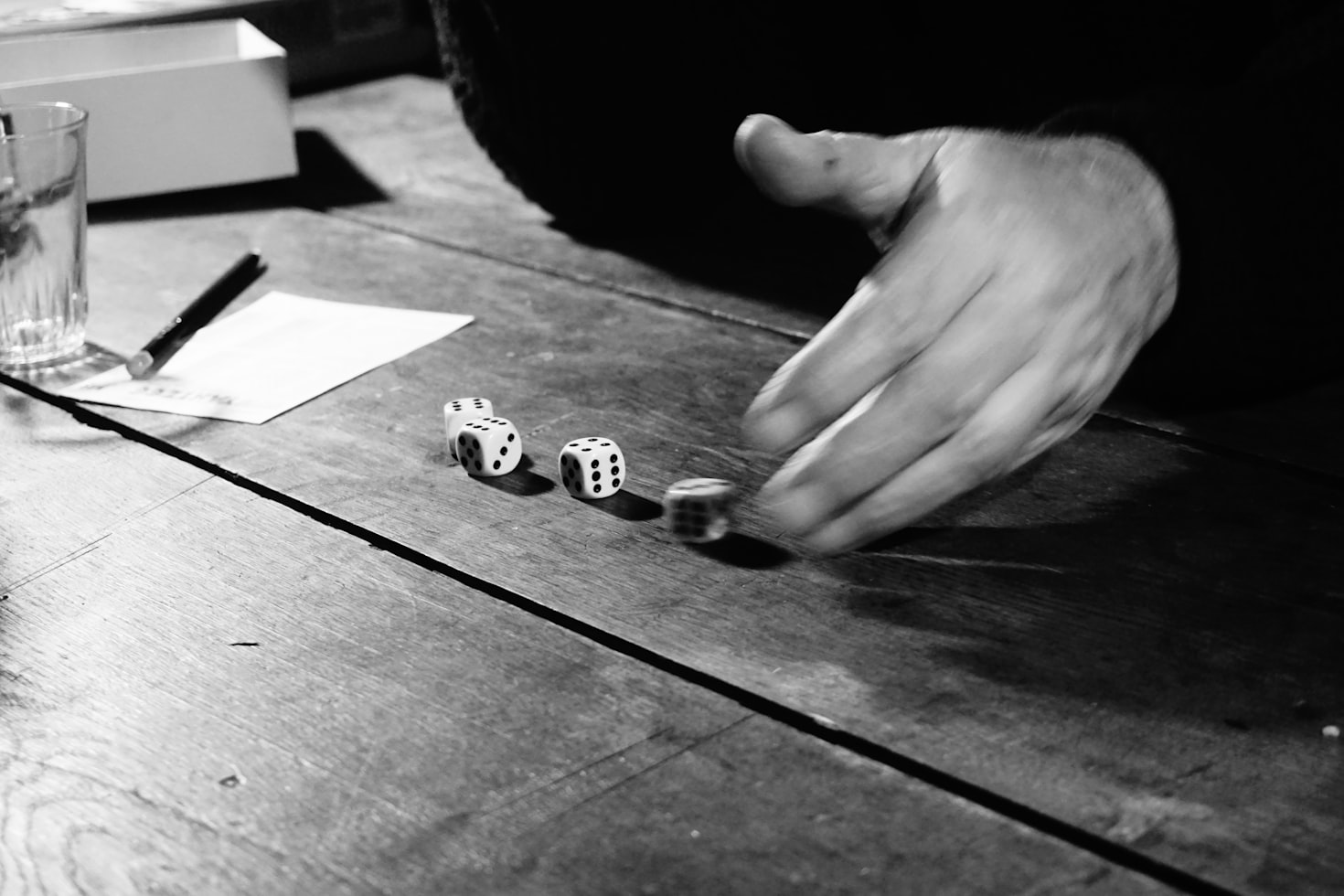
In social settings, games of chance can serve as a bonding experience, where friends and family gather to enjoy entertainment. These shared moments are often infused with excitement and laughter, enhancing social connections. However, the potential for addiction and financial strain can disrupt these relationships. When gambling becomes a problematic behavior, it can lead to social isolation, conflict, and distress, underscoring the need for awareness and support.
Moreover, the regulation of gambling within societies reflects its social significance. Some regions embrace gambling as a form of entertainment and revenue generation, while others impose strict regulations due to its potential negative consequences. This dichotomy highlights the ongoing conversation about the role of luck, strategy, and personal responsibility in gambling, ultimately shaping societal perspectives on the activity itself.
Final Thoughts on Luck and Strategy in Gambling
The significance of luck in gambling cannot be overstated, yet it is essential to consider how strategy intertwines with chance. Players who understand the balance between these elements can enhance their gaming experiences and cultivate a healthier relationship with gambling. By employing skillful strategies while acknowledging the randomness of luck, individuals can navigate the exciting world of gambling more effectively.
In essence, gambling encompasses both risk and reward, shaped by the forces of luck and strategy. Embracing this duality allows players to appreciate the thrill of the game while promoting responsible gaming practices. Awareness of these dynamics can enrich the experience, making it more enjoyable and engaging for everyone involved.
